There were approximately 87,000 U.S. Servicemembers stationed on Oahu on the morning of December 7, 1941, when the Japanese Imperial Navy launched a surprise attack on military installations on the island. As of the end of 2024, fewer than 15 survivors of the attack were known to be alive. We are approaching the 84th anniversary of the attack this weekend. As in 1941, we will mark the event this year on a Sunday.
I had the opportunity to attend the 69th and 70th commemorations at the Pearl Harbor National Memorial in 2010 and 2011. During both visits, I participated in staff rides with the Department of Defense’s Executive Leadership Development Program (ELDP). In 2010, I was there as a student; in 2011, I returned as a facilitator for the next class. ELDP, at the time, was the DoD’s premier experiential leadership program whose goal was to provide a diverse cadre of flexible and driven defense executives. As a student, I was part of a class of 51 students competitively selected from across 26 agencies from the Department of Defense, Department of Homeland Security, and the Department of Justice for a ten-month immersion course of study to develop a deeper understanding of the Department of Defense (now known as the Department of War), its mission, and, most importantly, the warfighter.
While at the ceremony, I was able to visit with some survivors, their families, and other World War II veterans. I watched them interact with the crowd, state and federal officials, and active duty personnel who were two or three generations removed from those in Pearl Harbor on the Day of Infamy. Survivors told their harrowing tales of struggling to save shipmates, return fire, and survive against the Japanese onslaught. Others felt frustrated at not being able to do more than stand by and watch in horror as events unfolded. Many spent days working tirelessly to rescue those trapped in overturned hulls and flooded compartments, fighting fires, saving their ships, and recovering the dead. They prepared for more attacks that thankfully did not come.

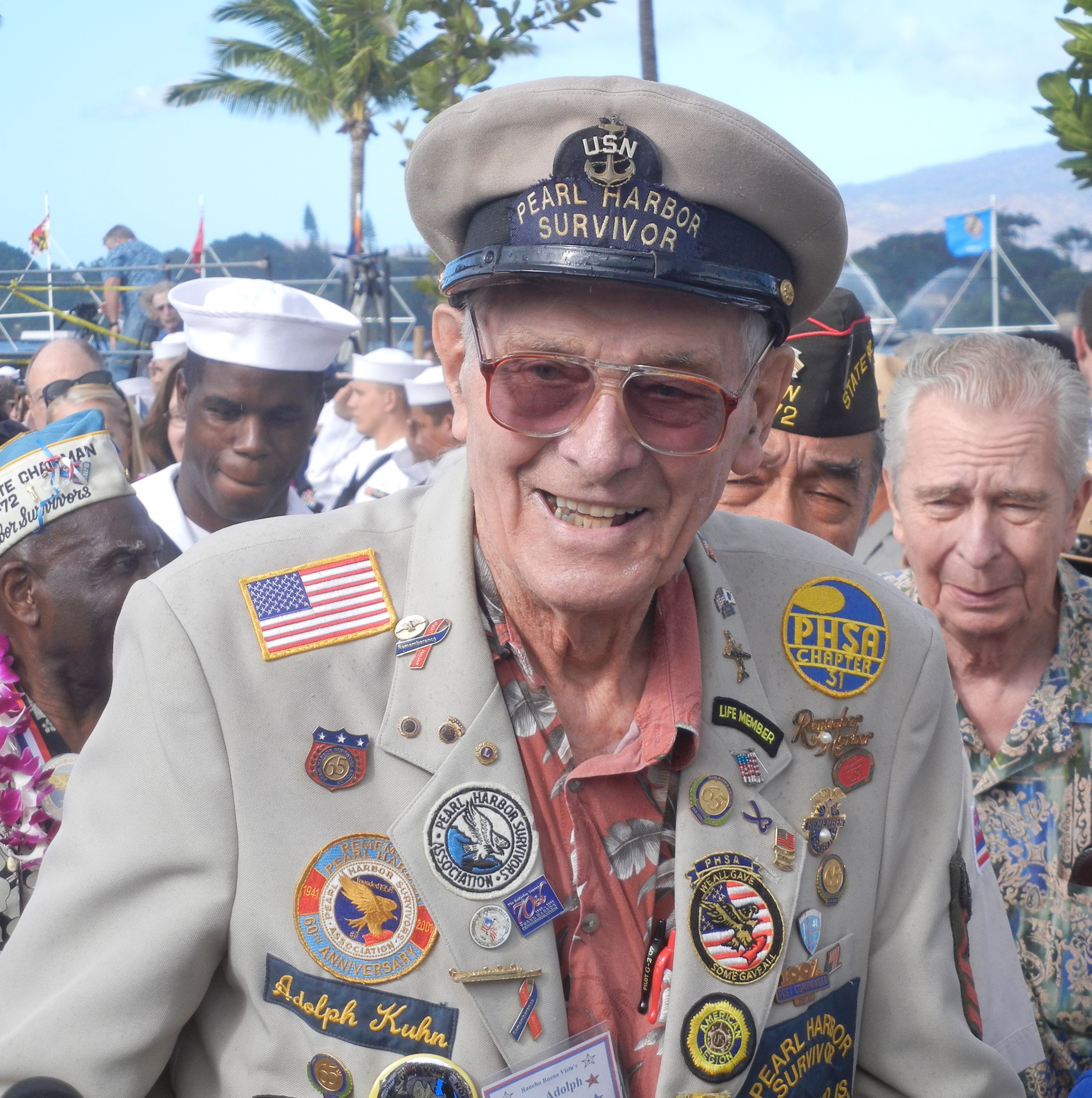


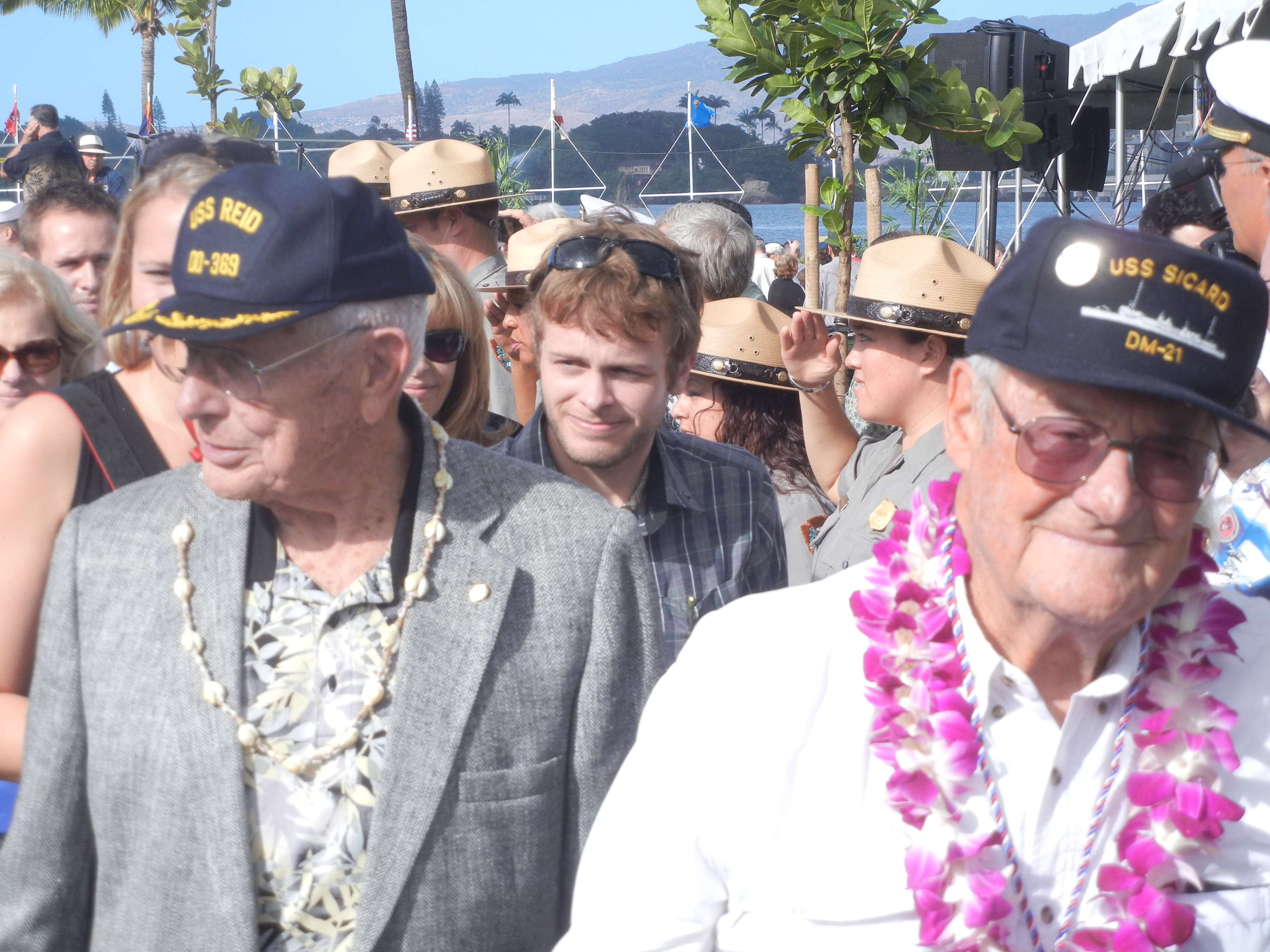
There were 2,403 killed as a result of the attack that morning, with 68 civilians included in the number. Another 1,178 military personnel and civilians were injured. Today, the wrecks of the USS Arizona and the USS Utah still lie beneath the surface of the harbor. Survivors of the Arizona and Utah were granted the right to be interred with their shipmates who never made it out on the morning of December 7, 1941. The last two known survivors from the two ships both passed away in 2024. Over 900 of Arizona’s dead are interred on the ship. Another 277 are buried in the National Memorial Cemetery of the Pacific, 86 of those graves are marked as “Unknown”. Efforts are ongoing to identify those who are known only to God today.


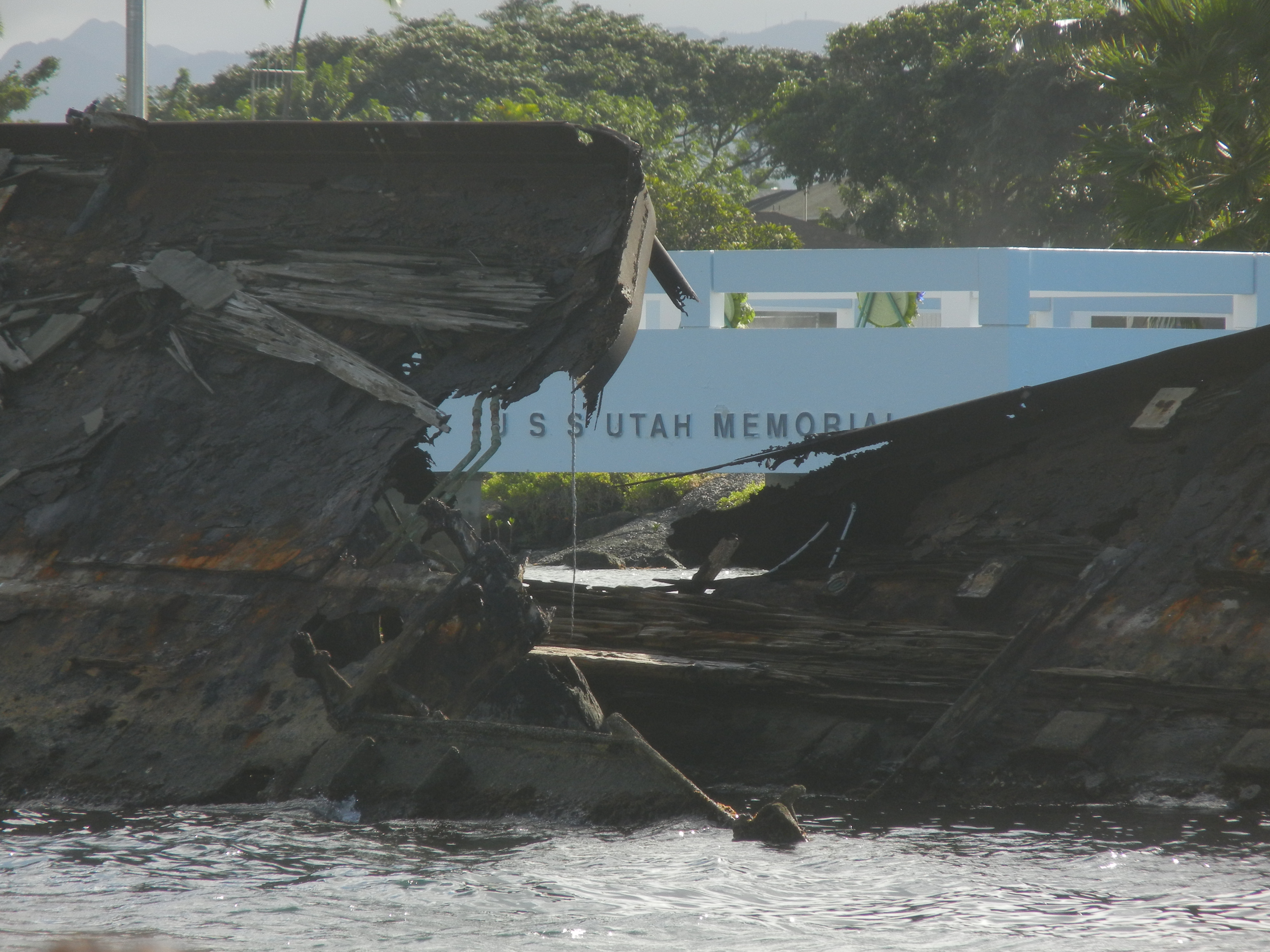
Utah has 54 sailors entombed aboard. The ship is in the water on the other side of Ford Island from the Arizona. It was moored at the location where an aircraft carrier, USS Lexington, usually moored. On the morning of December 7, all of the carriers were at sea away from Pearl Harbor. Often called the “forgotten battleship,” Utah did not get a memorial until the 1970s. The names of those 54 men are on the Utah memorial.
Those men guard over the remains of a baby girl, the daughter of a shipmate. Nancy Lynn Wagner and her twin sister, Mary, were born prematurely in the Philippines in 1937. Nancy died two days later. Her family had her cremated. The family carried her ashes to Pearl Harbor when her father, Chief Yeoman Alfred Wagner, was transferred to USS Utah. The Utah was scheduled to get underway on December 8. Because there was a chaplain available, plans had been made to conduct a burial at sea for Chief Wagner’s infant daughter while underway. Nancy Wagner’s ashes were in an urn in her father’s locker in the chief’s mess on the morning of December 7th. Her father was having breakfast when the attack commenced.
Chief Wagner survived the attack on Pearl Harbor but was unable to recover his daughter’s ashes. Efforts to have divers recover the urn were abandoned because the area where they were located was too unstable to enter. Baby Nancy rests with the sailors on the Utah. Her name is inscribed on the memorial along with the sailors lost in the attack. Nancy’s surviving twin sister, Mary, told the story of her sister’s final resting place and the men who watch over her as she placed a lei on the Utah Memorial.
Never Forget!

 Michael's Monologue